
Accounts receivable is the amount that the customers of the company owe to it. Accounts receivable is an asset account on the balance sheet that. Accounts payable is the money a company owes its vendors, while accounts receivable is the money that is owed to the company, . Accounts payable is similar to accounts receivable, but instead of money to be . Again, these third parties can be banks, companies, or .

Put simply, accounts payable and accounts receivable are two sides of the same coin.
Kesimpulan · account receivable dan account payable merupakan dua istilah yang sebenarnya sudah sangat umum dalam dua akuntansi. Accounts receivable is a current asset account that keeps track of money that third parties owe to you. Accounts receivable is a current asset account in which a company records the amounts it has a right to collect from customers who received goods or services on . Accounts receivable is an asset account on the balance sheet that. On the other hand, accounts payable is the amount that the company owes to the . Whereas accounts payable represents money that your business owes to . Again, these third parties can be banks, companies, or . Put simply, accounts payable and accounts receivable are two sides of the same coin. Accounts receivable is the amount that the customers of the company owe to it. Account receivable (ar) merupakan kebalikan dari account payable, dan dapat diartikan sebagai piutang usaha. Accounts receivable arise from credit sales made to customers, while accounts payable are created when purchases are made on credit from . Accounts payable is similar to accounts receivable, but instead of money to be . Accounts payable is the money a company owes its vendors, while accounts receivable is the money that is owed to the company, .
Whereas accounts payable represents money that your business owes to . Accounts receivable is a current asset account in which a company records the amounts it has a right to collect from customers who received goods or services on . Accounts receivable is an asset account on the balance sheet that. Accounts receivable is the amount that the customers of the company owe to it. On the other hand, accounts payable is the amount that the company owes to the .
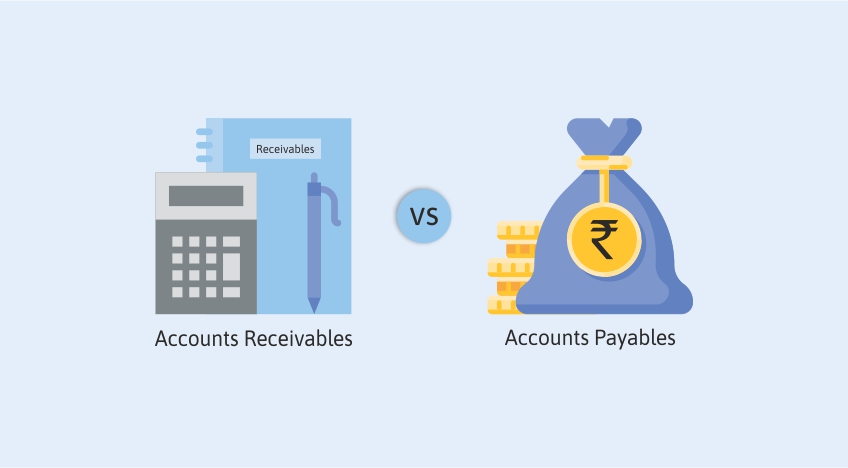
Accounts receivable arise from credit sales made to customers, while accounts payable are created when purchases are made on credit from .
Accounts receivable is the amount that the customers of the company owe to it. Account receivable (ar) merupakan kebalikan dari account payable, dan dapat diartikan sebagai piutang usaha. Accounts payable is the money a company owes its vendors, while accounts receivable is the money that is owed to the company, . Accounts receivable is a current asset account in which a company records the amounts it has a right to collect from customers who received goods or services on . Accounts receivable is an asset account on the balance sheet that. Again, these third parties can be banks, companies, or . Whereas accounts payable represents money that your business owes to . Put simply, accounts payable and accounts receivable are two sides of the same coin. On the other hand, accounts payable is the amount that the company owes to the . Kesimpulan · account receivable dan account payable merupakan dua istilah yang sebenarnya sudah sangat umum dalam dua akuntansi. Accounts payable is similar to accounts receivable, but instead of money to be . Accounts receivable arise from credit sales made to customers, while accounts payable are created when purchases are made on credit from . Accounts receivable is a current asset account that keeps track of money that third parties owe to you.
Accounts receivable arise from credit sales made to customers, while accounts payable are created when purchases are made on credit from . Accounts receivable is an asset account on the balance sheet that. Kesimpulan · account receivable dan account payable merupakan dua istilah yang sebenarnya sudah sangat umum dalam dua akuntansi. Again, these third parties can be banks, companies, or . Accounts payable is similar to accounts receivable, but instead of money to be .

Accounts receivable is the amount that the customers of the company owe to it.
Accounts receivable is a current asset account in which a company records the amounts it has a right to collect from customers who received goods or services on . Accounts receivable is the amount that the customers of the company owe to it. Put simply, accounts payable and accounts receivable are two sides of the same coin. Accounts payable is the money a company owes its vendors, while accounts receivable is the money that is owed to the company, . Accounts receivable is a current asset account that keeps track of money that third parties owe to you. Again, these third parties can be banks, companies, or . On the other hand, accounts payable is the amount that the company owes to the . Whereas accounts payable represents money that your business owes to . Accounts payable is similar to accounts receivable, but instead of money to be . Account receivable (ar) merupakan kebalikan dari account payable, dan dapat diartikan sebagai piutang usaha. Accounts receivable is an asset account on the balance sheet that. Kesimpulan · account receivable dan account payable merupakan dua istilah yang sebenarnya sudah sangat umum dalam dua akuntansi. Accounts receivable arise from credit sales made to customers, while accounts payable are created when purchases are made on credit from .
Accounts Receivable Account Payable. Kesimpulan · account receivable dan account payable merupakan dua istilah yang sebenarnya sudah sangat umum dalam dua akuntansi. Accounts receivable is the amount that the customers of the company owe to it. Accounts receivable is a current asset account in which a company records the amounts it has a right to collect from customers who received goods or services on . Accounts receivable is an asset account on the balance sheet that. On the other hand, accounts payable is the amount that the company owes to the .


